People
… who are doing the work
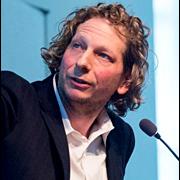
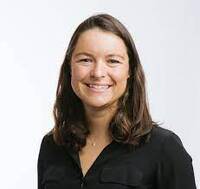
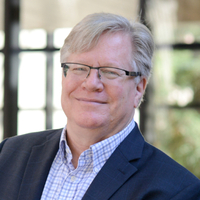
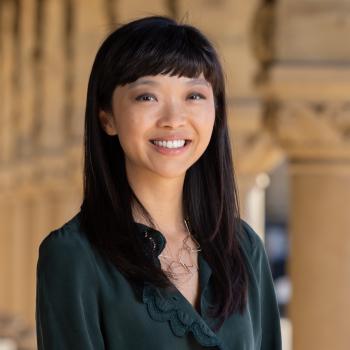
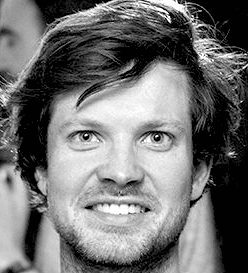
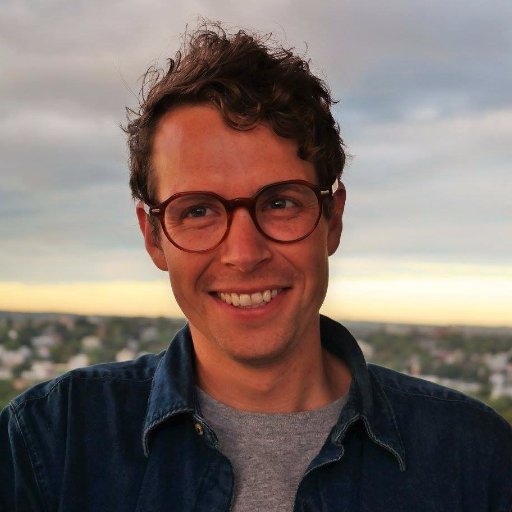
Tobias Gerstenberg
Principal Investigator

I am interested in how people hold others responsible, how these judgments are grounded in causal representations of the world, and supported by counterfactual simulations. I also like to drink tea.
— Personal website
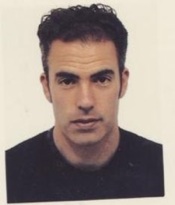
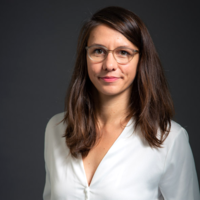
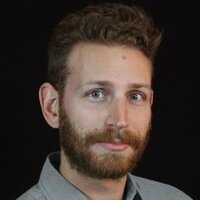
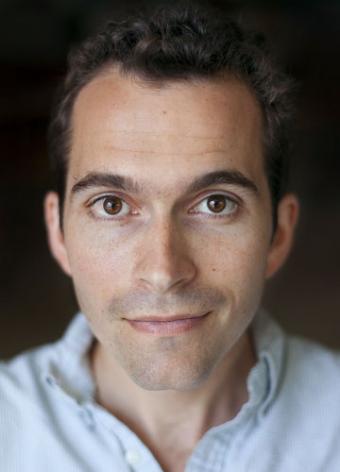
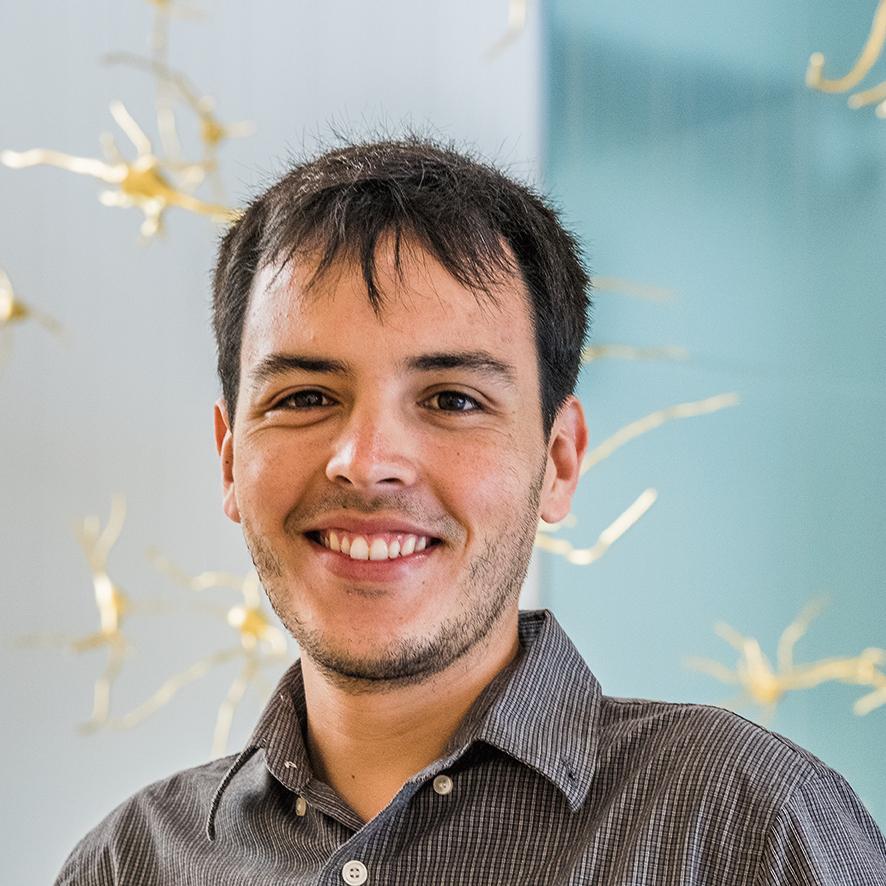
Erik Brockbank
Postdoctoral Researcher
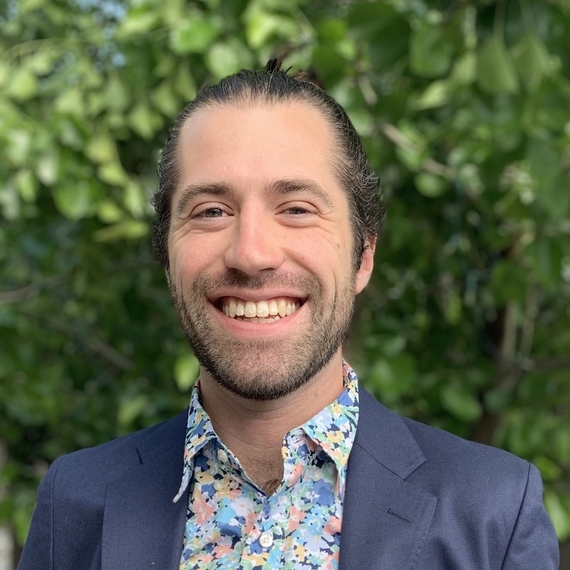
My research focuses on how people construct predictive internal models of those around them. I say yes to coffee unequivocally.
— Personal website
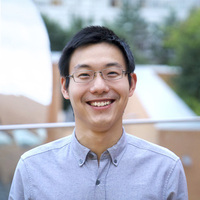
Xinyi Lu
Postdoctoral Researcher
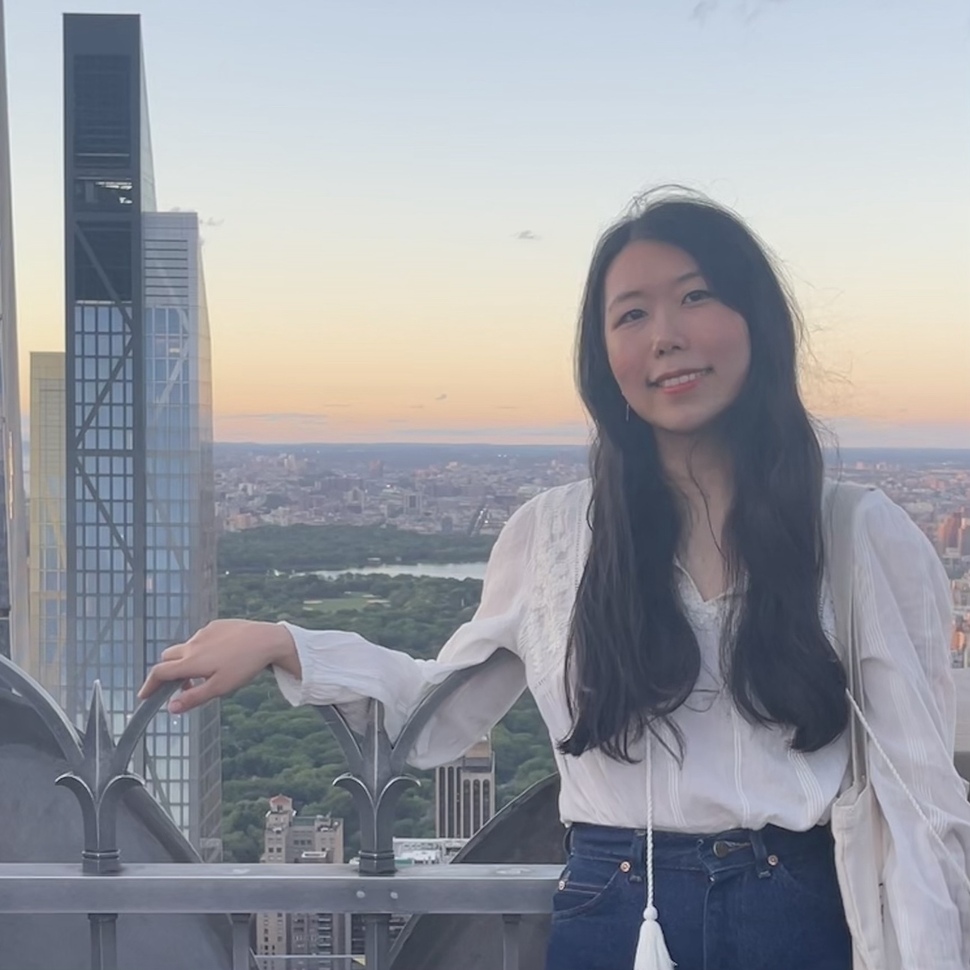
I’m broadly interested in memory and metacognition — how we remember things, how we think we remember things, and how we form beliefs and make judgments. I like bubble tea.
— Personal website
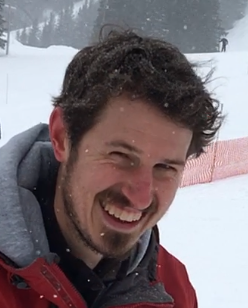
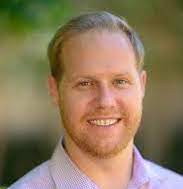
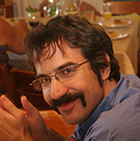
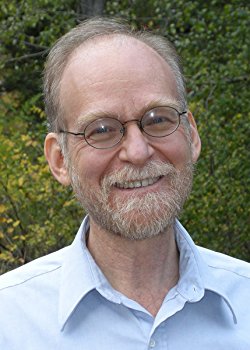
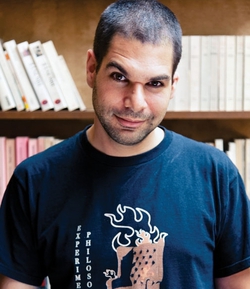
David Rose
Graduate Student
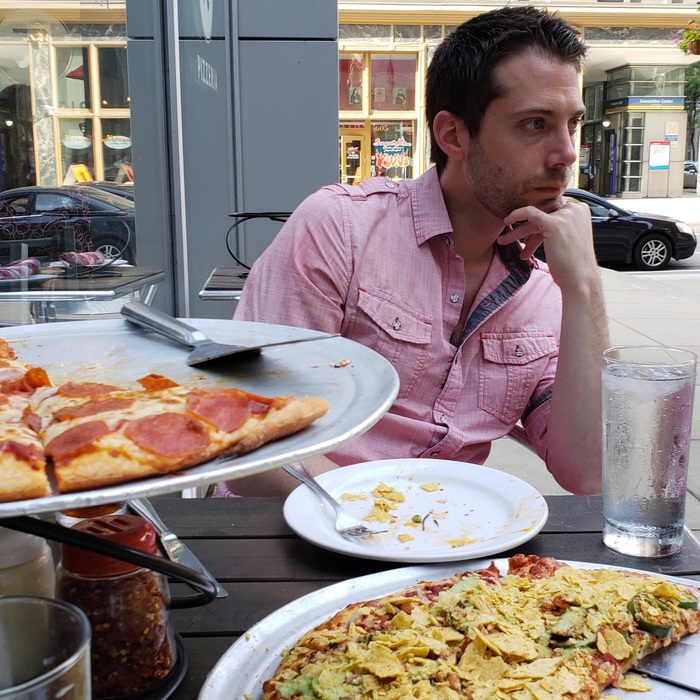
My research is mainly focused on how a teleological view of causation features in our view of composition, persistence and essence. Here is a picture of me thinking about the essence of pizza and wondering whether nacho pizza is a kind of pizza.
— Personal website
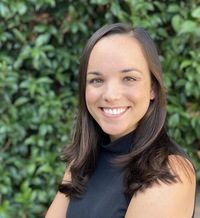
Sarah Wu
Graduate Student
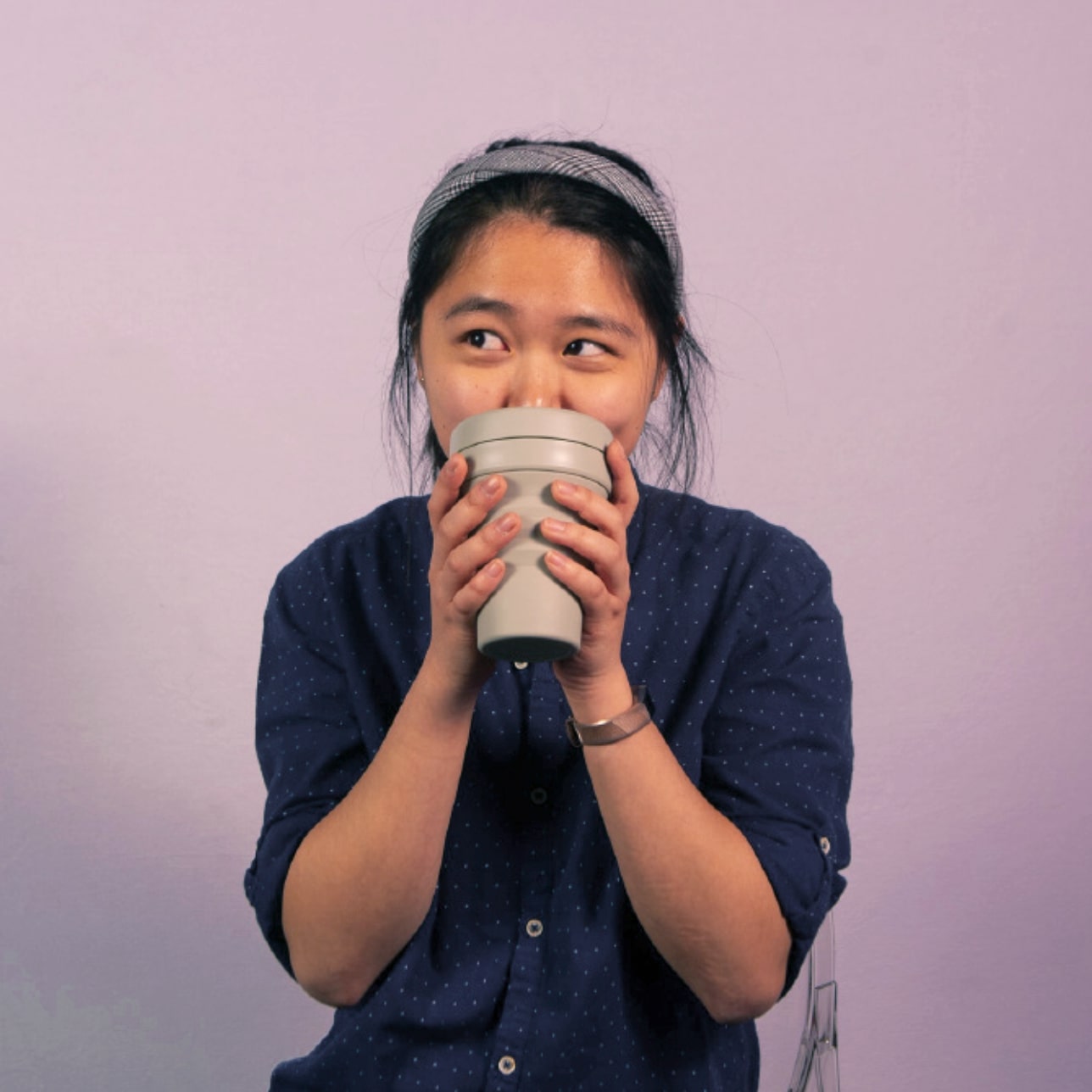
I’m interested in computational models of social cognition, including aspects of social learning, inference, and judgment. I received undergraduate degrees in brain/cognitive sciences and applied math. I like to drink boba.
— Personal website
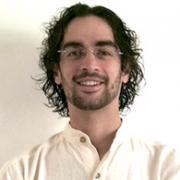
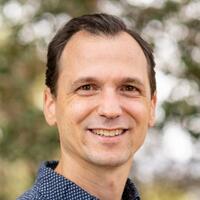
Justin Yang
Graduate Student
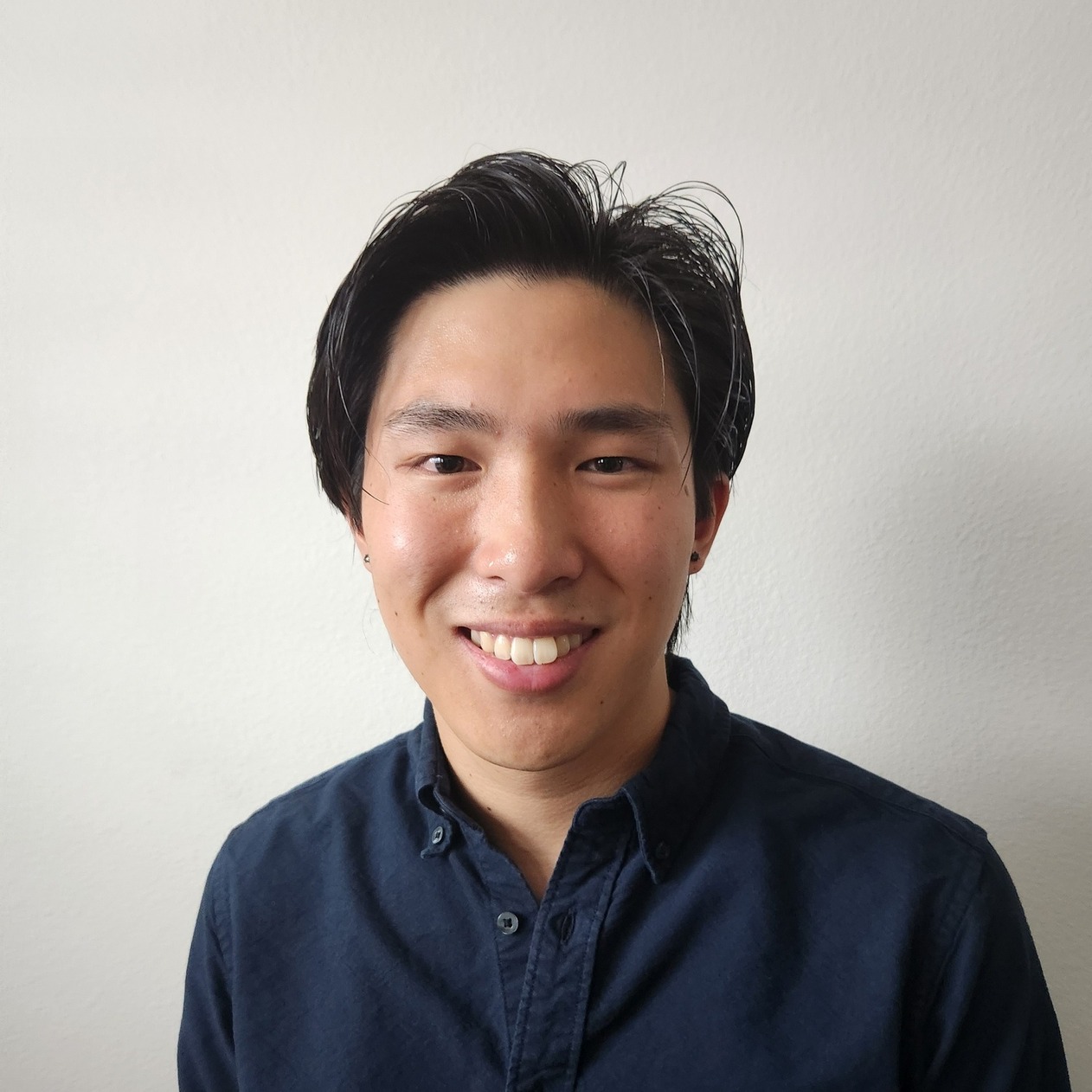
I am interested in leveraging behavioral experiments and computational modeling to understand how we represent the world around us, how we simulate alternative worlds, and how we use these simulations to make inferences. In my undergraduate, I studied cognitive science and mathematics. I like to drink milk.
— Personal website
Chuqi Hu
Master's Student
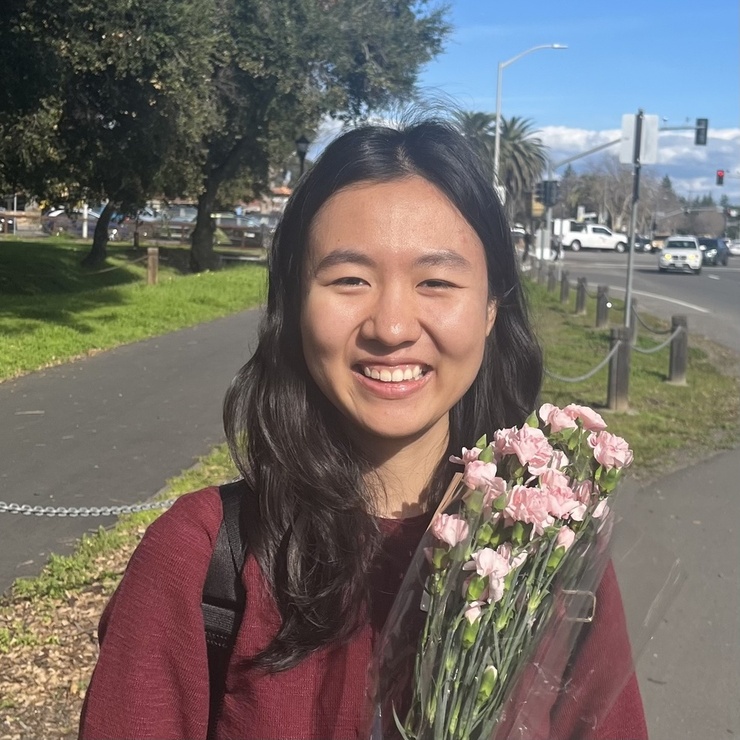
I am a Symbolic Systems master’s student. I am interested in social cognition, self/identity, and learning. In my free time, I enjoy singing, playing tennis, and spending time in nature!
Neha Balamurugan
Master's Student
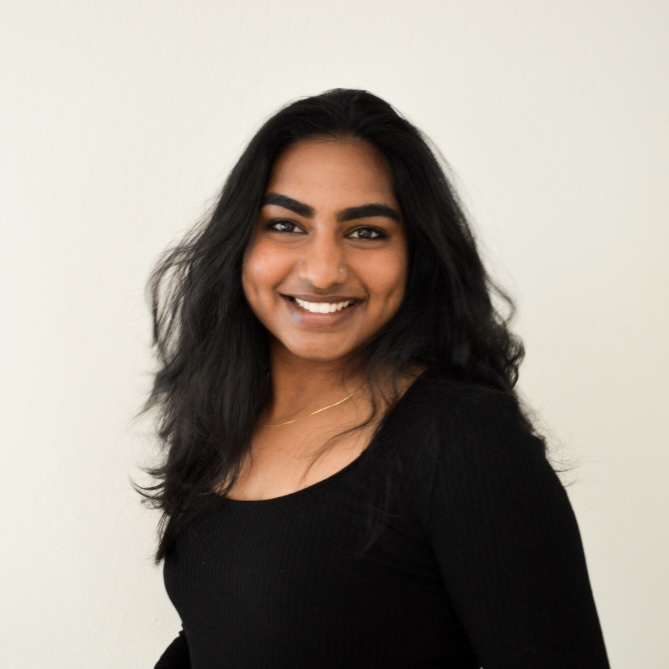
I am curious about how human causal reasoning and perception can inform the development of robust and interpretable AI systems. I am particularly drawn to computer vision, exploring how machines can reason about and interpret visual data with human-like understanding.
— Personal website
Yiheng Yao
Master's Student

I’m curious about how people can understand each other, and how we confirm that understanding through predictions, explanations, and collaborative action. Recently I’m interested in how psychology can inform better ways of interacting with AI agents! Coffee flows through my veins.
Verona Teo
Predoctoral Researcher
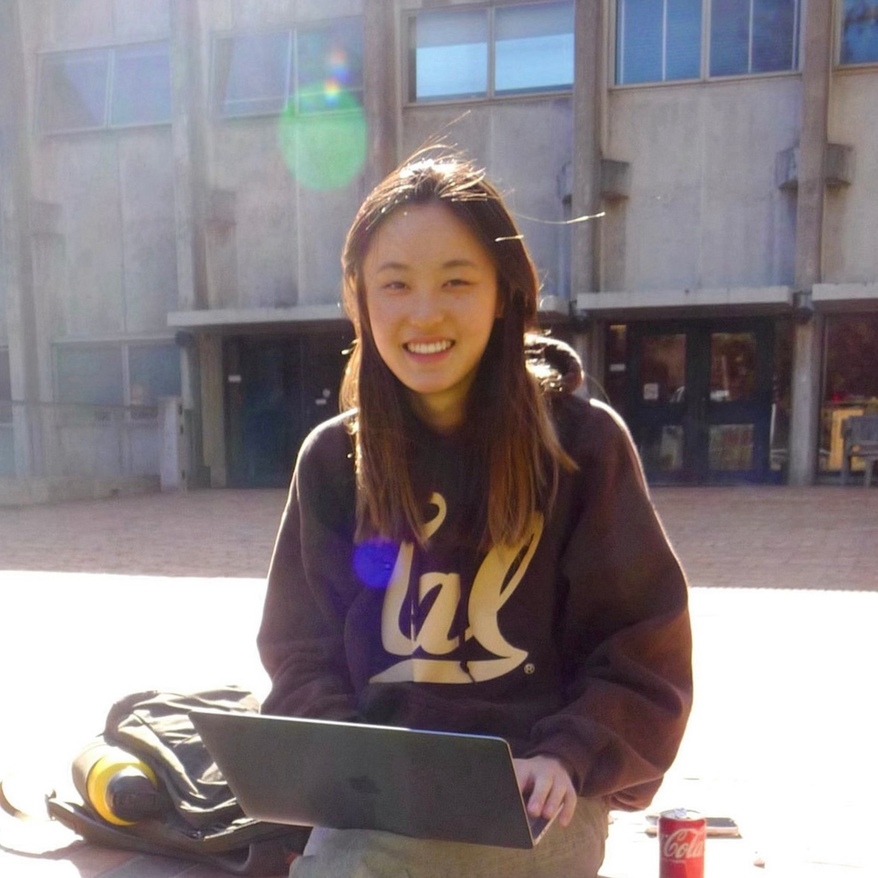
I’m interested in computational and behavioral models of cognition, including social, moral, and causal reasoning. I did my undergraduate studies in data science and philosophy. I like coffee.
José Luiz Nunes
Visiting Student
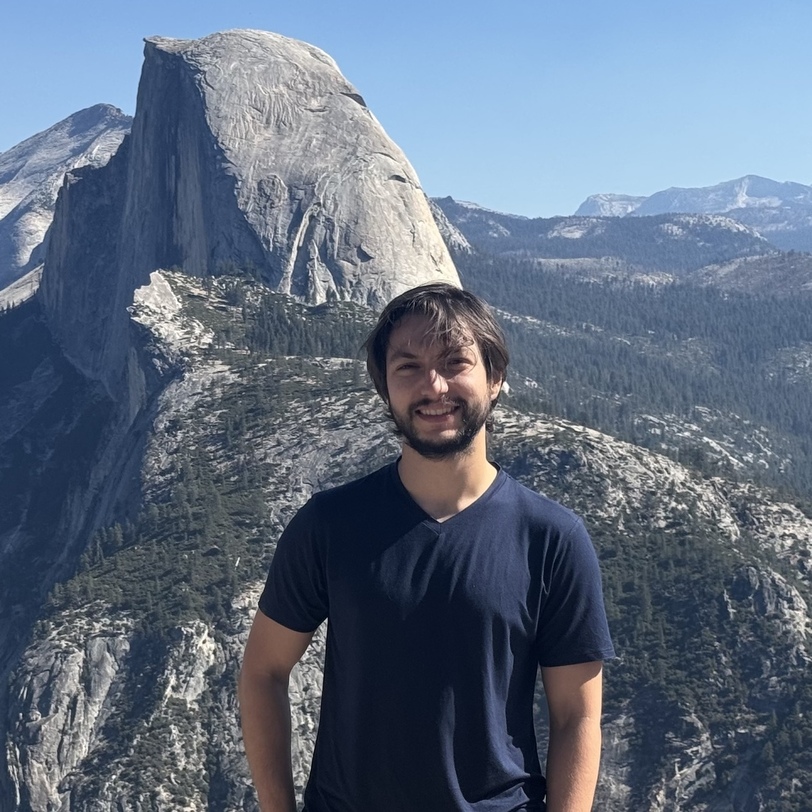
I’m interested in ethics in AI development, how AI models express moral values and judgements (regarding the reflection of designers choices), and political repercussions of AI. I received my undergraduate in law, MsC in computer science also are of my ongoing PhD. I love drinking and making coffee, taekwondo poomsae and surfing. Have enjoyed hiking CA.
Luca Schulze Buschoff
Visiting Student
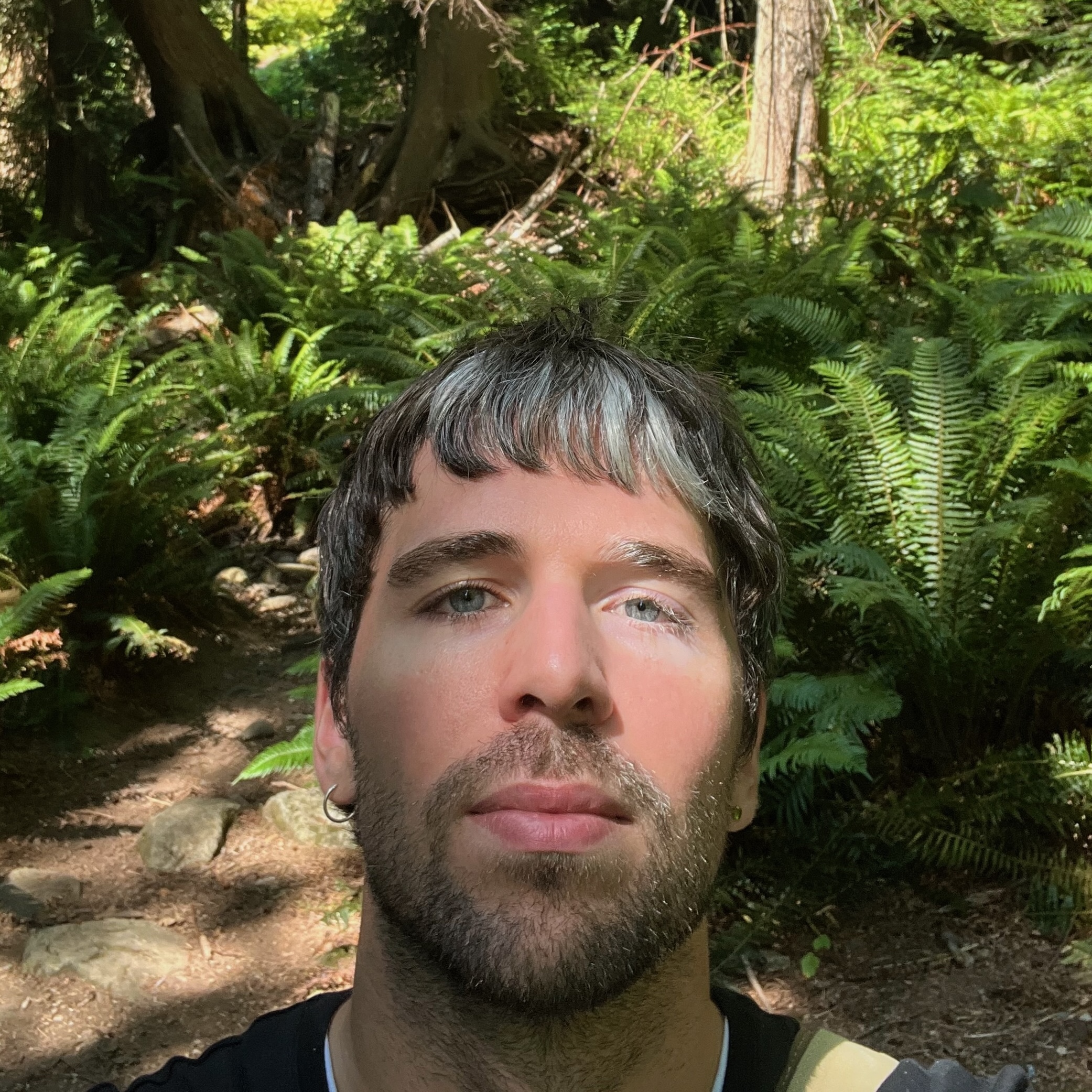
I’m a PhD student working with Eric Schulz in Munich and visiting the Causality in Cognition Lab. I’m interested in visual cognition in humans and machines. In past projects, I’ve applied methods from psychology to better understand how modern vision models perceive and interpret the world.
— Personal website
Ricky Ma
Research Assistant
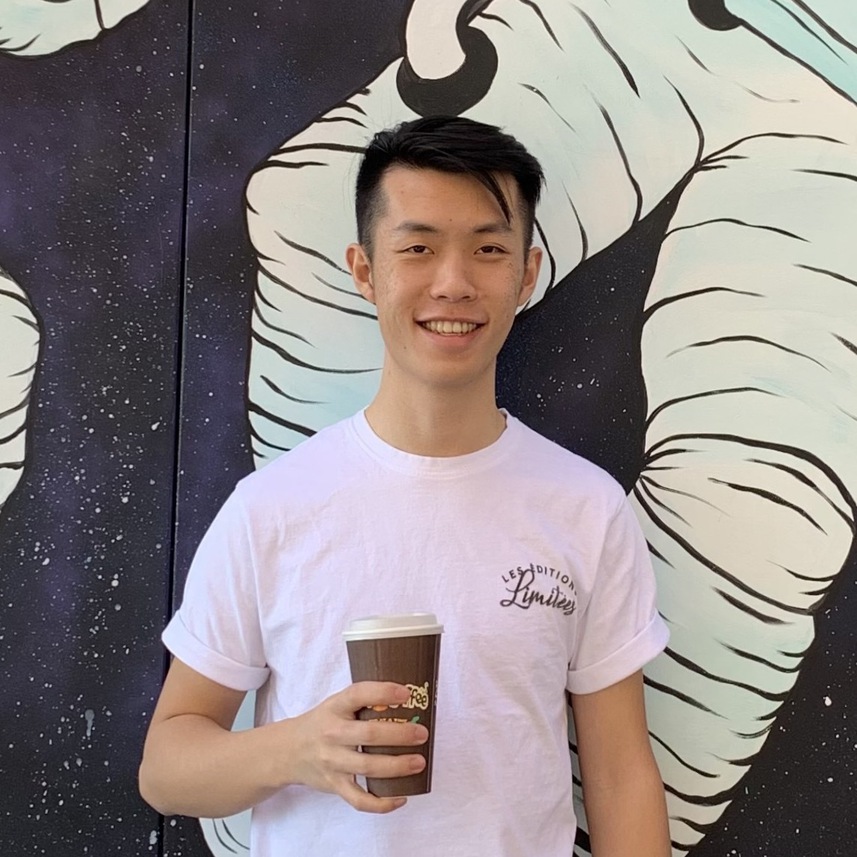
I am interested in how causal reasoning mechanisms in humans can inspire machine learning algorithms that are both more generalizable and interpretable. I am especially passionate about using new ML and AI technology for social good. I completed my BSc. at UBC studying Cognitive Systems with a focus in Computational Intelligence and Design. I like to drink coffee, maybe a bit too much.
— Personal website
Shruti Sridhar
Research Assistant
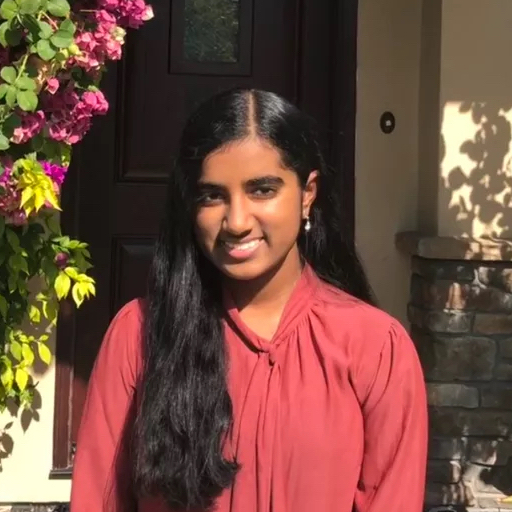
I am a sophomore at Stanford looking to major in Computer Science on the AI track. I am interested in using computational models to explore causality in social settings. Outside of that, I enjoy dancing and amateur vegan baking.
Sunny Yu
Research Assistant
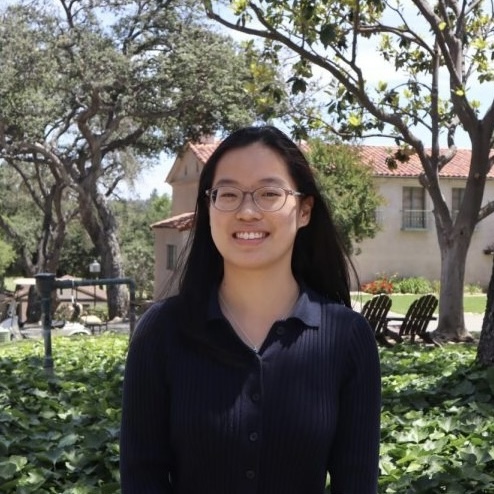
I am interested in using different methods to explore social cognition, interpersonal interactions, and understanding the mind. I also enjoy reading, writing, and staying active.
Xi Jia (Laura) Zhou
Lab Affiliate
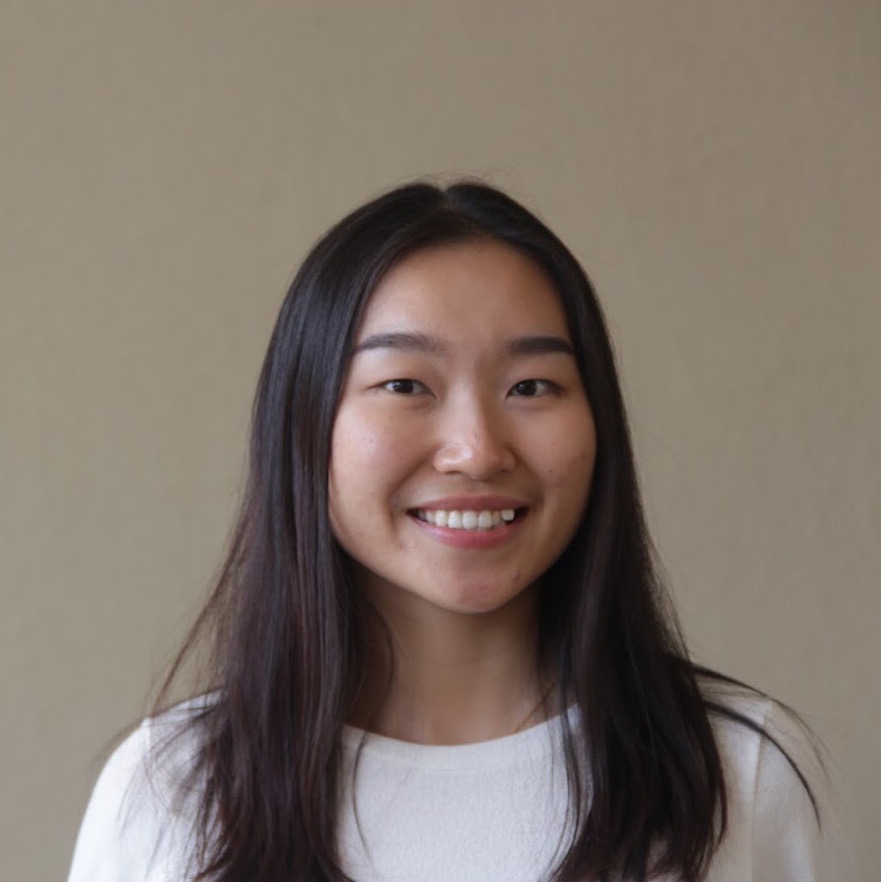
I am currently a PhD candidate in Nick Haber’s Autonomous Agents Lab. I double-majored in cognitive neuroscience and computer sciences from Minerva School. I am interested in how causal representations form our understandings in both the physical world and the social world. In my spare time, I enjoy learning electronics and observing squirrels.
— Personal website
Ben Prystawski
Lab Affiliate
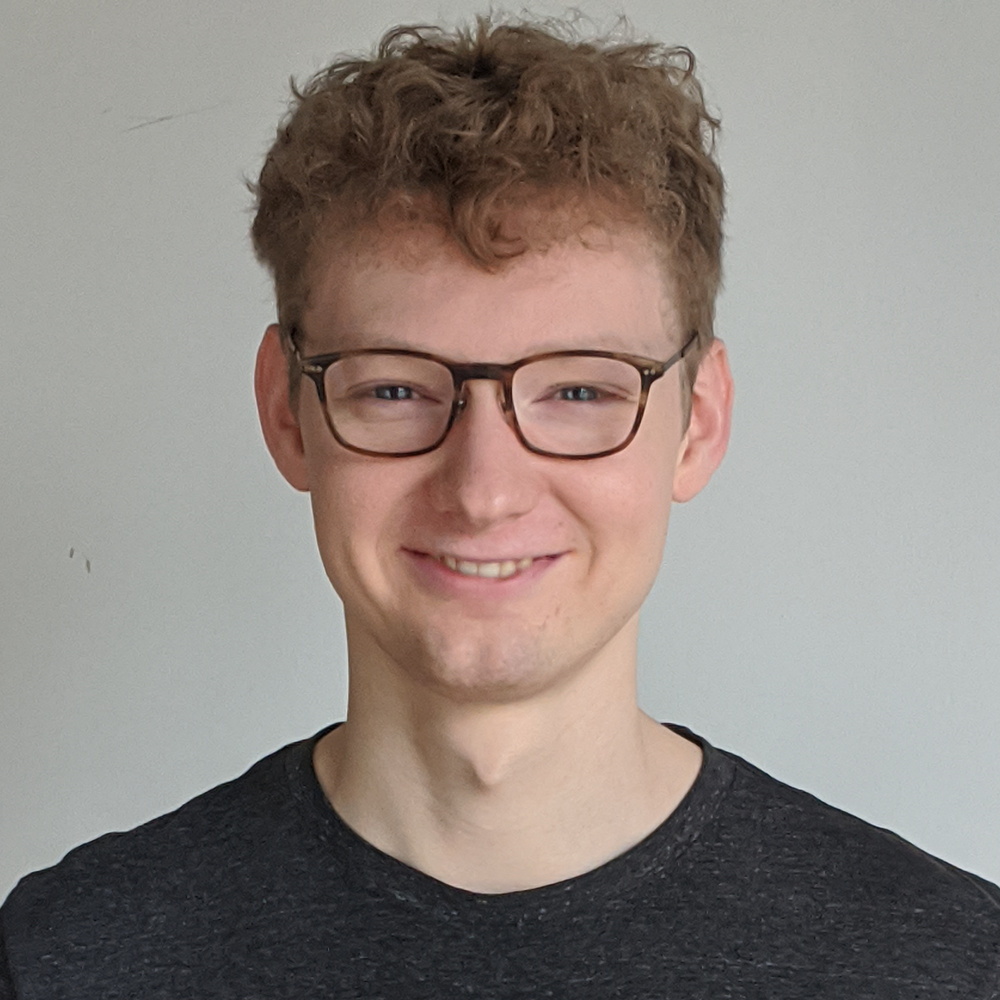
I am a PhD student in the CoCoLab. My research involves studying how pedagogical language shapes cultural transmission of knowledge and analyzing connections between large language models and probabilistic models of cognition. I like rock climbing.
— Personal website
Kate Petrova
Lab Affiliate
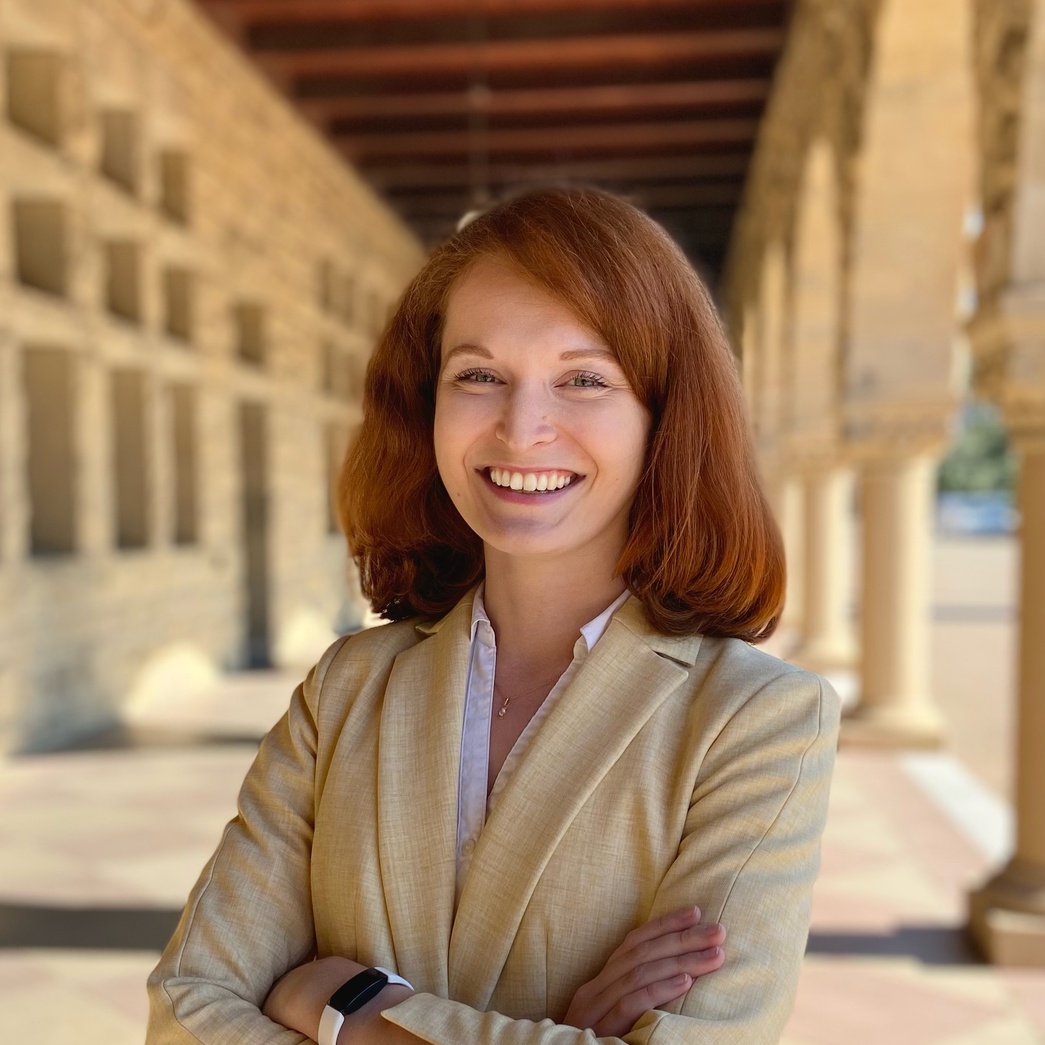
I am an affective science PhD Student at the Stanford Psychophysiology Lab. I use a combination of behavioral experiments, experience-sampling, physiological measures, and computational modeling to understand how beliefs about emotions shape emotion regulation. When I am not in the lab, you can find me 3,000ft up in the sky, working towards my private pilot license!
— Personal website
Peter Zhu
Lab Affiliate
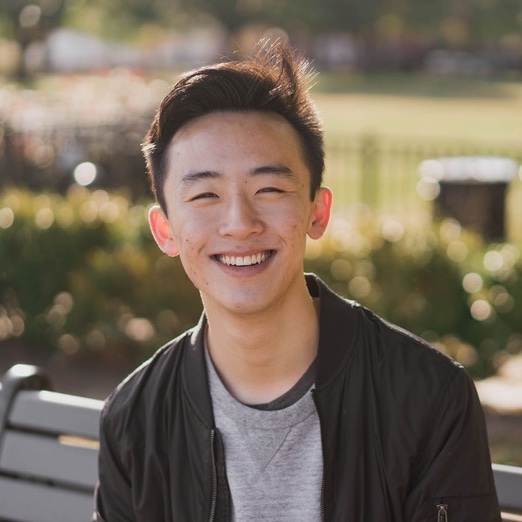
I am a PhD Student in the Stanford Social Learning Lab. My research interests focus on the representations and motivations that guide learning and play early in life. I like to eat tacos and drink coffee.
Kanishk Gandhi
Lab Affiliate
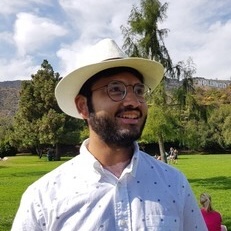
I am interested in reasoning and social cognition; how we can build machines that interact with, learn from and communicate with others.
— Personal website
Ke Fang
Lab Affiliate
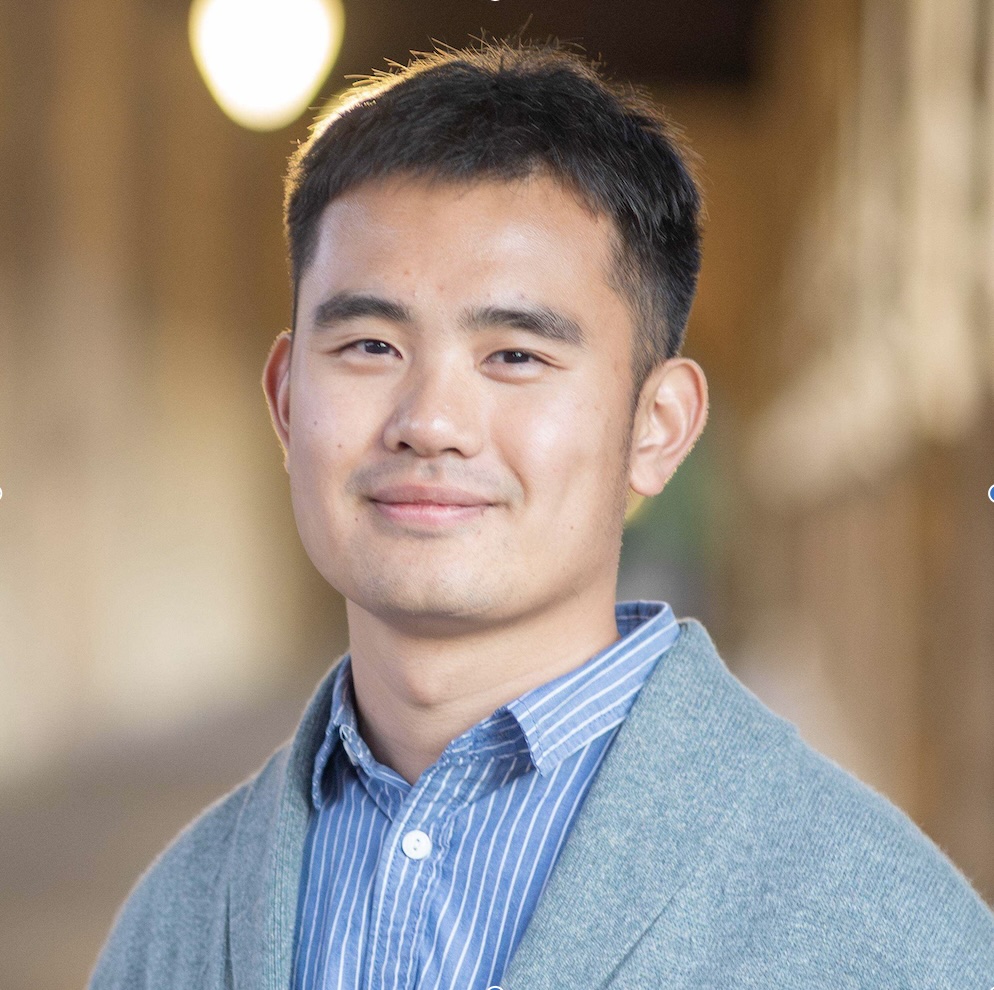
I’m interested in computational approaches to understanding how distributed individual minds give rise to emergent collective behaviors—such as cooperation, social norms, and polarization. I drink hot coffee even in the middle of summer.
— Personal website
Can Konuk
Lab Affiliate
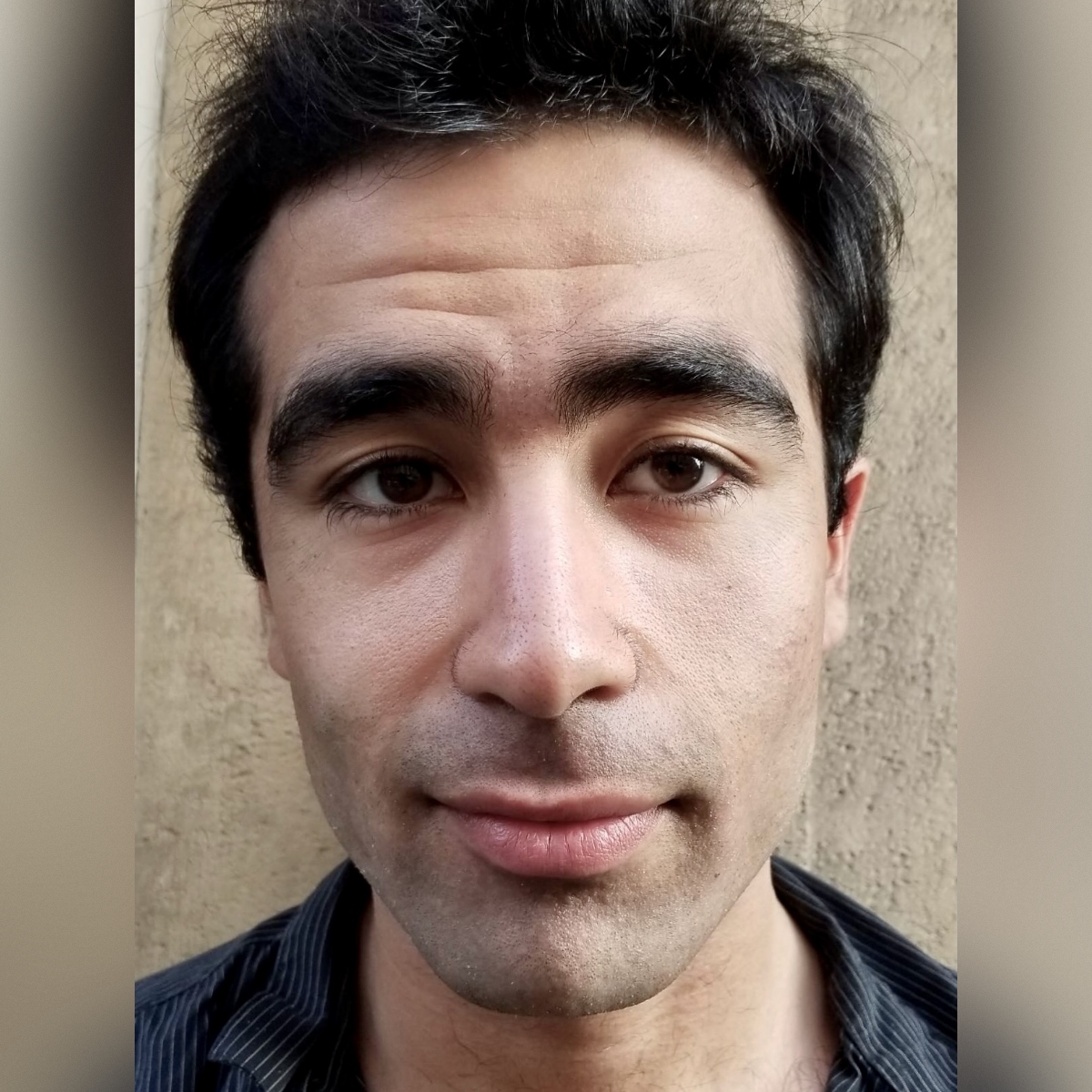
I study how people explain events and how causal representations support understanding. A lot of my research focuses on causal selection judgments, whereby people single out the causes of an event that they deem particularly relevant for explaining an outcome. I look both at how people concoct such explanations; each time with a view to get insights into causal cognition.
— Personal website
Alumni